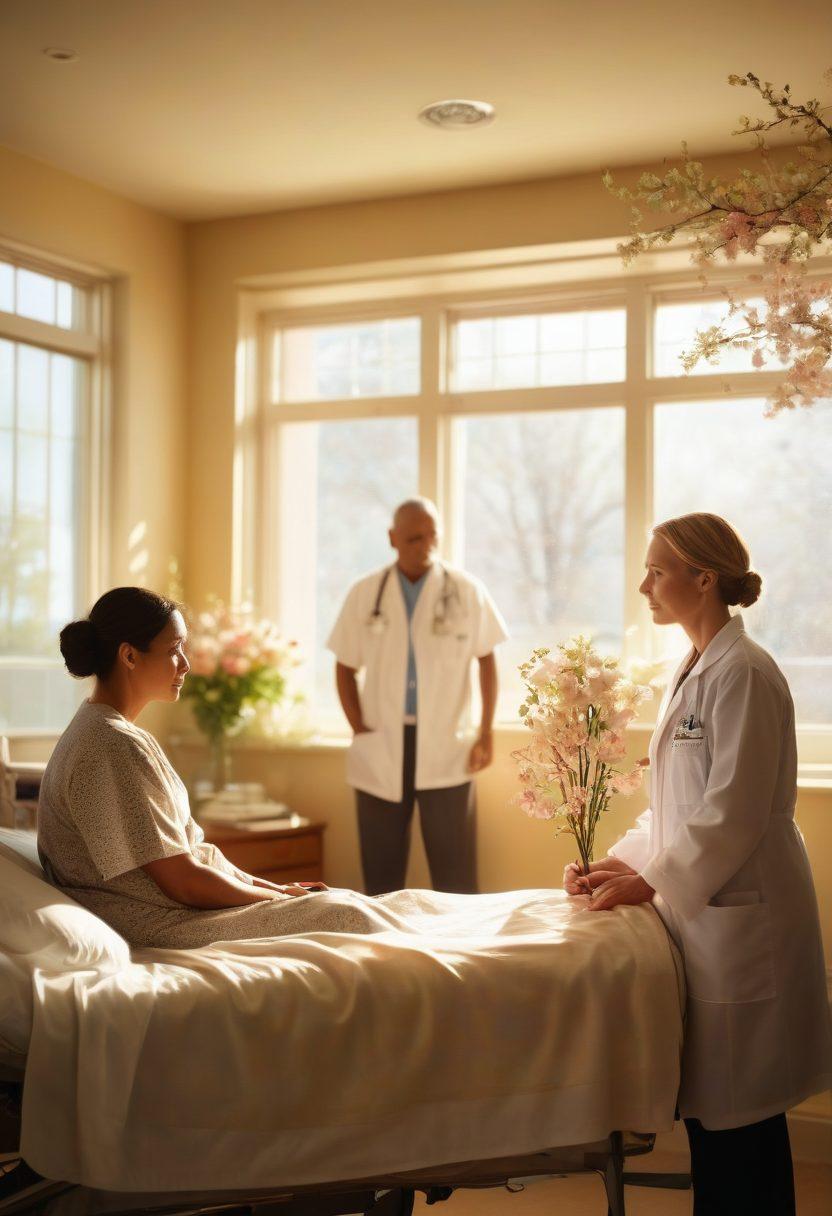
Navigating Your Journey: Essential Insights into Oncology and Patient Support
When a diagnosis of cancer enters your life, it feels like a storm has ripped through your reality, uprooting every sense of normalcy. Whether it’s a malignant tumor that has been discovered, or a benign lump brought to light, the path forward can often seem unclear. As you navigate the complex landscape of oncology and patient support, understanding the emotional wellness journey is crucial—not just for you but for your loved ones and caregivers as well. As we explore this comprehensive guide, let’s remember that healing is not just an absence of disease, but a holistic endeavor that encompasses mind, body, and spirit.
Emotional wellness is a vital part of the cancer care journey, yet it often gets overshadowed by the medical facts and figures that come with a diagnosis. It’s easy to feel overwhelmed by terms like chemotherapy, immunotherapy, and radiation therapy. But, as you step into the world of oncology, remind yourself: your emotional health matters. Ask yourself, what coping strategies can I implement to navigate the mental toll of my diagnosis? Engaging in conversations about mental health can help reduce stigma and foster a supportive cancer community where authenticity thrives. Remember, every survivor story is a testament to resilience.
Patient support is more than just practical assistance. It requires a deep understanding of your individual experience. Finding the right oncologist and building a network of professionals who can educate and advocate for you is critical. Have you ever thought about joining a support group? These communities bring together individuals who share similar experiences, providing a safe space for sharing fears, triumphs, and insights. The diseases we face can be terrifying, but shared knowledge empowers healing by allowing patients to inform themselves about screening, risk factors, and the latest in clinical trials.
Nutrition and lifestyle changes play a pivotal role in cancer recovery and emotional support. Implementing healthy life choices can enhance not just physical health but mental wellness, too. Have you considered how what you eat impacts your mood and energy levels? Cultivating a nurturing diet filled with wholesome foods can bolster your strength as you face treatment side effects. Cooking together with family or friends can transform your relationship with food, making it a joyful experience rather than a chore. So why not experiment with nutritious recipes tailored for those undergoing chemotherapy or experiencing palliative care?
Finally, never underestimate the power of advocacy and philanthropy within the cancer care ecosystem. Embracing a sense of purpose through service not only benefits others but can also ignite your own healing journey. Have you thought about volunteering at health education events or organizing fundraisers for scientific research on cancers? Your long journey through oncology can inspire change and provide hope for those navigating similar paths. In this way, by advocating for mental health, education, and support, you become a beacon of light in the challenging landscape of cancer care.
Understanding Cancer: From Diagnosis to Supportive Care for Survivors
Cancer can feel like a formidable beast, lurking silently until it strikes. For many, the moment of diagnosis is a shock, sending ripples of confusion, fear, and uncertainty throughout their lives. What does it mean to have a malignant tumor? Will I undergo chemotherapy or radiation therapy? These questions haunt us in that pivotal moment. However, understanding cancer—from its diagnosis to the comprehensive cancer care available—can empower patients and their loved ones to navigate this challenging journey with resilience and hope. An oncologist enters the picture, often serving as the primary guide on the road to wellness. These specialists are charged with delineating between benign and malignant conditions, helping patients understand their individual risk factors and the implications of their diagnosis. With the explosion of health education resources available today, patients need to advocate for themselves by asking the right questions: What are my treatment options? Is there a need for palliative care? This proactive approach can shift the narrative from fear to one of empowerment and action. Every story of survival is unique, like the intricate patterns of a butterfly's wings. The cancer community is a vibrant tapestry rich with survivor stories, showcasing perseverance, support, and triumph. Engaging with fellow survivors and their caregivers can provide not just camaraderie but also invaluable emotional support. What resonates from these stories is the reminder that you are not alone on this journey. Whether it’s discovering new coping strategies or sharing tips on lifestyle changes and nutrition, there's a wealth of knowledge waiting to be explored in these relationships. However, surviving cancer is not just about enduring treatment. It’s about holistic healing. This involves addressing mental health and emotional support in addition to physical recovery. As many survivors discover, stress management and mindfulness are crucial components of their journey. Incorporating wellness practices into daily life can dramatically improve the quality of life post-treatment. Have you considered how a shift in mindset or daily routine could aid your healing process? Moreover, as scientific research continues to innovate in the field of oncology—such as advancements in immunotherapy and exciting clinical trials—the importance of stay informed and involved cannot be stressed enough. Philanthropy and advocacy play key roles in supporting these initiatives to enhance overall health, global health, and public health outcomes. Just imagine the impact we can create when we come together as a community, united in our fight against cancer. By staying engaged with health blogs, forums, and local support groups, we can help shape a future where cancer may no longer spell despair, but instead, becomes a story of strength and survival.
Transforming Lives: Navigating Treatments and Building a Supportive Community in Oncology
In the challenging landscape of oncology, the journey of navigating treatments, making informed decisions, and seeking support can transform lives. It's a realm where hope coexists with uncertainty, and every choice counts. Imagine finding a community that empowers you to stand tall against malignant tumors, providing not just medical, but emotional and mental support. The oncology world is vast and complex; it is about more than just cancer care. It’s about healing, wellness, and sharing survivor stories that inspire courage and resilience.
When someone receives a diagnosis of cancer, whether it’s from a benign tumor or a more serious malignant condition, everything can change instantaneously. Suddenly, the unknown ominously looms over your life. You may wonder, 'What are the risk factors? How will treatment affect my lifestyle?' These questions can be overwhelming, but embracing them is an important part of the journey. Engaging in health education can offer vital information on treatments like chemotherapy, immunotherapy, and radiation therapy, illuminating the path ahead. It empowers patients and caregivers alike, enabling them to make informed choices concerning treatment and screening.
Now consider this: you are not alone. Oncology thrives on community support. The cancer community, enriched with compassion and understanding, can help ease the burden of diagnosis. Caregiver support networks play a pivotal role, offering emotional support and practical advice to ensure that no one faces their battle in isolation. Imagine the connections that can blossom in support groups, where individuals can share their most profound fears and triumphs—each survivor story a thread weaving deeper connections within this supportive space.
Moreover, lifestyle changes are crucial. Education on nutrition, mental health practices, and holistic healing can turn information into actionable steps that contribute to wellness. What if the insight shared in a health blog could help you redefine your journey with cancer? Insights from scientific research promote advocacy and philanthropy, providing tangible ways to contribute towards advancing public health initiatives and global health awareness. Suddenly, you are not just a patient; you become a stakeholder in your healing process, a beacon of hope for others.
As we delve deeper into the intricacies of oncology, it becomes clear that the journey is about more than fighting the disease; it's about transforming lives. Clinical trials pave the way for innovative treatments, offering additional options when traditional methods may fall short. With each step taken in patient support and advocacy, you contribute to a larger narrative—a story of resilience, community, and hope. As we connect with others experiencing similar challenges, we find strength in shared experiences and are reminded that healing can occur both individually and as a collective. Are you ready to embark on this journey of transformation?